




The Psychology of Gambling
Understanding the psychology behind gambling is crucial for anyone interested in winning strategies at casinos. Players often fall victim to cognitive biases, such as the gambler’s fallacy, which leads them to believe that past events influence future outcomes. This misconception can affect betting decisions and overall strategies. Recognizing these psychological traps allows gamblers to make more informed choices and avoid losing streaks based on flawed reasoning. Additionally, if you’re looking for a new experience, consider trying a casino not on gamstop, as it may offer unique opportunities for players.
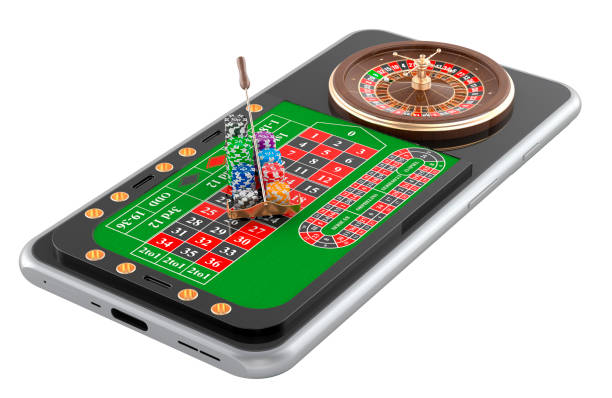
Moreover, casinos are designed to create an environment that encourages gaming and spending. The visual and auditory stimulation found in modern casinos can evoke feelings of excitement and anticipation, often leading players to make impulsive decisions. By being aware of these psychological influences, players can develop strategies that allow them to remain calm and collected, thus increasing their chances of success.
Understanding Game Mechanics
To devise effective winning strategies, it is essential to understand the mechanics of the games being played. Each game, whether it’s poker, blackjack, or slots, has its own rules and odds, which influence the player’s likelihood of winning. For instance, knowing the house edge in blackjack can significantly impact a player’s strategy when deciding when to hit or stand. Players who take the time to study the intricacies of their chosen games can leverage this knowledge to their advantage.
Additionally, some games rely heavily on skill, like poker, while others are purely based on luck, such as slot machines. By identifying which games offer the best opportunities for strategy and skill application, players can channel their efforts into games where they have a greater chance of winning. This strategic approach to game selection is crucial for long-term success in modern casinos.
Bankroll Management Techniques
Effective bankroll management is a fundamental aspect of successful gambling. It entails setting limits on how much money to wager and ensuring that those limits are adhered to throughout gameplay. A common strategy is the 1% rule, where players never bet more than 1% of their total bankroll on a single wager. This approach not only mitigates risks but also prolongs the gaming experience, giving players more chances to win over time.
In addition to setting betting limits, players should also establish a clear budget for their casino visit, encompassing both wins and losses. By preparing mentally for both outcomes, gamblers can approach the gaming floor with a balanced mindset, reducing the temptation to chase losses, which often leads to further financial setbacks. This disciplined approach is vital for maintaining a sustainable gambling habit.
The Role of Technology in Modern Casinos
Technology plays a significant role in modern casinos, affecting how games are played and how strategies are developed. Advancements like live dealer games and online platforms have transformed the gambling landscape, allowing players to engage with traditional games from the comfort of their homes. This shift has introduced new strategies, as players can leverage tools and analytics to analyze their gameplay and improve their decision-making.
Furthermore, the use of data analytics in casinos gives operators insights into player behavior, allowing them to tailor offerings and promotions effectively. For players, using technology to track their performance and outcomes can provide valuable feedback. This data-driven approach helps in refining strategies, ultimately leading to better gaming results.

Enhancing Workplace Well-Being for Better Gambling Mindset
A healthy work-life balance contributes significantly to a player’s mindset when approaching gambling. Employers can foster an environment where employees feel supported and valued, indirectly enhancing their recreational activities, including gambling. By promoting wellness programs and encouraging breaks, organizations can help mitigate stress, enabling employees to engage in gambling with a refreshed and clear mindset.
The resources and tools available for enhancing workplace well-being can also translate into better decision-making during gambling sessions. When employees feel fulfilled and balanced in their professional lives, they are likely to approach leisure activities with a more strategic and positive outlook. For employers seeking to create a nurturing work environment, understanding the impact of well-being on all aspects of life, including gambling, is essential.